
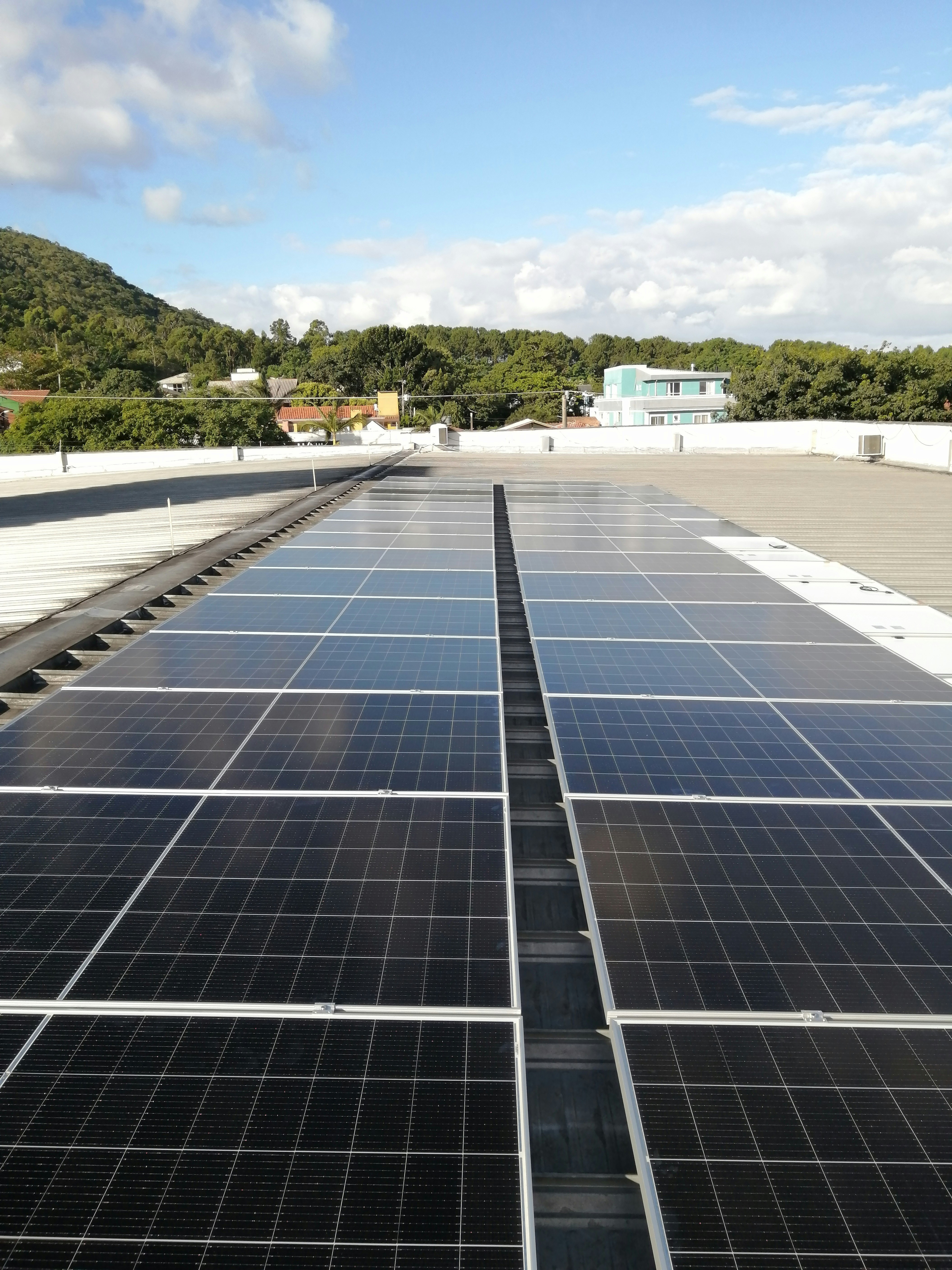
Introduction to Solar Energy in Scotland
Solar energy has emerged as a pivotal element in Scotland’s transition towards sustainable energy solutions. With an increasing emphasis on reducing carbon emissions and embracing renewable sources, solar energy is gaining substantial traction among both residents and businesses across the region. The adoption of solar power is supported by various governmental incentives and a wider recognition of environmental responsibility.
The growing importance of solar energy in Scotland can be attributed to several factors, including advancements in solar technology, decreasing installation costs, and an expanding awareness of energy independence. Over recent years, there has been a significant improvement in the efficiency of solar panels, allowing households and businesses to capture more energy from sunlight, even in less than optimal weather conditions typical of the Scottish climate.
As companies and individuals strive to capitalize on the benefits of renewable energy, solar installations have become a viable option for a range of sectors. In the residential sector, homeowners are increasingly inclined to invest in solar panels not only to curtail energy expenses but also to enhance the value of their properties. Similarly, commercial entities are embracing solar technology as a means to bolster energy sustainability while potentially enhancing their reputation as environmentally-conscious businesses.
Current trends indicate a growing availability of financing options for solar energy systems, which further encourages adoption among various demographics. Additionally, with the continued support from both local and national policies aimed at promoting renewable energy innovations, the integration of solar energy into Scotland’s energy mix is poised for significant growth. This section sets the stage for understanding the financial implications and return on investment associated with solar energy as we explore it further in this blog.
Current Solar Installations in Scotland
Scotland has witnessed a significant growth in solar energy installations, driven by a combination of government incentives, private investments, and a broader public interest in renewable energy solutions. As of 2026, the landscape of solar installations comprises various technologies, predominantly photovoltaic (PV) systems, which convert sunlight directly into electricity. These systems can be found in a range of settings, including residential homes, commercial buildings, and large-scale solar farms.
In residential areas, rooftop solar panels have become increasingly popular among homeowners looking to reduce their electricity bills and carbon footprints. Many regions in Scotland benefit from governmental support schemes that facilitate the adoption of solar energy technologies. For instance, the Feed-in Tariff (FiT) and the Smart Export Guarantee (SEG) have incentivized property owners to invest in solar installations by offering payments for the energy they generate or export back to the grid.
Commercial entities, particularly those with extensive roof space, have also made substantial investments in solar energy. From retail giants to manufacturing units, businesses are leveraging solar technology not only to lower operational costs but also to enhance their sustainability profiles. Notably, the Central Belt of Scotland, which encompasses major cities such as Glasgow and Edinburgh, showcases a higher concentration of solar installations, attributed to both greater population density and industrial demand.
Furthermore, Scotland’s diverse regions have unique characteristics affecting solar energy uptake. The Highlands and Islands, recognized for their rugged landscapes and relatively low solar irradiation, may exhibit fewer installations in contrast to urban areas; however, recent technological advancements are making solar energy viable even in less sunny locales. The urgent push for greener energy sources, robust public policy frameworks, and the decreasing costs of solar technology continue to shape the future of solar installations across Scotland, signaling a transformative shift toward renewable energy reliance.
Projected Solar Costs in Scotland for 2026
As Scotland moves toward its ambitious climate goals, the financial landscape for solar panel installations is expected to evolve significantly by 2026. Various factors will influence the projected costs, ranging from technological advancements to changing government policies and market demands.
In recent years, the price of solar technology has demonstrated a downward trend, primarily due to advancements in photovoltaic systems and manufacturing processes. By 2026, the estimated cost of solar panels is likely to decrease further, making solar energy an increasingly attractive option for homeowners and businesses. Specifically, innovations in solar cell technology, including the development of more efficient materials, will contribute to a reduction in overall installation costs.
Market demand for renewable energy is also anticipated to rise, driven by both environmental concerns and consumer interest in energy independence. This increased demand could initially push prices higher; however, as more suppliers enter the market and competition increases, costs should stabilize. Furthermore, governments across Scotland are expected to implement more favourable policies and incentives to promote solar energy adoption. Programs such as grants, subsidies, and tax incentives for installing solar panels could lead to substantial savings for end-users.
It is important to note that local factors, such as geographical location and specific installation conditions, will also affect the final cost of solar projects in Scotland. The varying availability of sunlight throughout the year can impact energy production and, ultimately, the overall return on investment for solar panel installations.
In essence, the projected costs of solar panels in Scotland for 2026 will likely reflect a combination of technological innovation, increased market demand, and supportive government policies, leading to a more accessible renewable energy solution for many residents.
Understanding Return on Investment (ROI) for Solar Energy
Return on Investment (ROI) is a critical metric for evaluating the performance of solar energy investments, particularly in Scotland’s evolving energy landscape. To calculate ROI for a solar energy system, the formula generally used is: ROI (%) = (Net Profit / Cost of Investment) x 100. In the context of solar energy, net profit is derived from energy savings over a period, alongside any applicable government incentives or rebates.
The timeframe for realizing ROI can vary significantly based on factors such as installation costs, energy prices, and local regulations. In Scotland, the average payback period for residential solar panel systems is estimated to be between 5 to 10 years, depending on the efficiency of the system and prevailing energy rates. An essential aspect of this calculation involves clearly estimating future energy costs, as the potential for rising electricity prices may enhance the attractiveness of solar investments.
Potential incentives provided by the Scottish Government, such as the Feed-in Tariff (FiT) and Renewable Heat Incentive (RHI), can significantly boost ROI. These initiatives offer financial rewards for energy exported back to the grid or for harnessing solar energy for heating. When considering these aspects, it is crucial to account for the system’s lifespan, often ranging from 20 to 25 years, which can facilitate long-term savings and improved ROI.
In addition to financial calculations, the environmental benefits of solar energy, such as reduced carbon emissions, should also be factored into the overall assessment of ROI.This comprehensive evaluation not only reflects the economic viability of solar energy installations but also underscores their contribution to sustainability and climate action goals.
Financial Incentives for Solar Energy in Scotland
Investing in solar energy in Scotland has become increasingly viable, thanks in part to an array of financial incentives offered by the government. These incentives are designed to promote the adoption of renewable energy sources and make solar energy systems more accessible to homeowners and businesses alike.
A significant incentive comes in the form of government grants. Various programs facilitate funding for solar panel installations, allowing homeowners to offset the initial costs. These grants can significantly reduce the financial barrier to entry, making solar energy a more attractive option for many. Furthermore, several local councils in Scotland offer their own incentives, which can also contribute to lowering installation costs.
In addition to these grants, tax credits and rebates are another crucial aspect of solar energy financial incentive programs. Through the Renewable Energy Investment Fund, developers and homeowners can benefit from tax reductions when investing in solar technology. This support not only improves the affordability of solar panels but also enhances the return on investment (ROI) by decreasing the overall cost burden over time.
Another important financial mechanism is the Feed-in Tariff (FiT), which compensates owners of solar energy systems for the electricity they generate and feed back into the grid. This tariff guarantees a fixed payment over a defined period, providing a stable income stream that can help homeowners recoup their initial investment faster. The FiT incentivizes the production of clean energy and further influences ROI calculations, as it directly affects the financial gains derived from a solar energy system.
Overall, the combination of grants, tax credits, and feed-in tariffs makes the transition to solar energy more feasible and financially sound for many in Scotland. The impact of these incentives cannot be overstated, as they play an essential role in determining the financial viability and ROI of solar energy investments.
Factors Affecting Solar ROI in 2026
The return on investment (ROI) for solar energy systems in Scotland in 2026 is influenced by a variety of critical factors. These include installation costs, maintenance expenses, energy prices, and local climate conditions. Understanding these elements can help potential solar investors make informed decisions.
Firstly, installation costs play a pivotal role in determining the ROI of solar energy systems. As technology evolves, the price of solar panels and associated equipment is expected to reduce, potentially lowering overall installation costs. However, these prices can vary significantly based on the size of the solar system, the quality of the components, and the complexity of the installation process. Consequently, a detailed comparison of different solar providers will be vital for prospective customers.
Secondly, ongoing maintenance expenses should not be overlooked. Solar panels typically require minimal maintenance; however, costs related to cleaning, inspections, and repairs can accumulate over time. Factors such as the location of the installation and any potential environmental impacts, such as the accumulation of debris or bird droppings, may necessitate more frequent maintenance, thereby affecting overall ROI.
Energy prices present another essential factor in calculating solar ROI. The financial benefits of solar energy systems largely depend on the savings generated from reduced energy bills. In 2026, fluctuations in energy prices, influenced by market trends and government policies, will directly impact the economics of solar investments. If energy prices rise, the ROI will become more favorable, encouraging homeowners and businesses to invest in solar energy.
Finally, local climate conditions in Scotland will influence the efficiency and output of solar panels. Variability in weather patterns, including sunlight availability, can affect energy generation levels, which in turn impacts overall savings and ROI. It is crucial for potential solar energy users to consider how these factors will interplay with their specific circumstances, as they seek to maximize their investment in solar technology.
Comparing Solar ROI with Other Energy Investments
Investing in solar energy systems is becoming increasingly popular, particularly in Scotland, where the drive toward sustainable energy solutions is paramount. To understand if solar energy presents a sound financial opportunity, it is essential to compare its return on investment (ROI) with that of other energy sources, including traditional fossil fuels.
One of the primary advantages of solar energy investment is its declining costs and increasing efficiency. Over the past few years, prices for solar panels and installation have decreased significantly, which in turn enhances the ROI for homeowners and businesses alike. This cost reduction, coupled with generous incentives, positions solar energy as a competitive alternative to fossil fuels. Additionally, solar energy can lead to substantial long-term savings on energy bills, as once the initial investment is recouped, a relatively low upkeep cost follows.
On the other hand, fossil fuel investments, despite their affiliation with volatile market prices, still hold a dominant position in energy portfolios. The proven infrastructure and supply-chain efficiency of fossil fuels can present an alluring case for traditional investments. However, the long-term outlook for fossil fuels is increasingly scrutinized amid global climate change dialogues and global efforts to transition to renewable sources. Consequently, they often do not offer the same sustainable returns in terms of environmental impact.
Moreover, the intrinsic environmental benefits associated with solar energy, such as reduced greenhouse gas emissions, add intangible value that can augment its ROI. In contrast, fossil fuels contribute to pollution and environmental degradation, leading many modern investors to prioritize sustainability alongside financial returns.
Ultimately, while solar energy may require significant upfront costs, its long-term financial benefits, growth potential, and reduced environmental impact make it a compelling choice when compared to traditional energy investments like fossil fuels. The choice between these energy sources should align not only with financial objectives but also with broader environmental considerations.
Case Studies: Successful Solar Investments in Scotland
Scotland has witnessed various successful solar investments over the years, demonstrating not only the feasibility of solar energy in diverse environments but also showcasing attractive returns on investment (ROI). These case studies highlight different types of solar installations across the region, illustrating how adaptable and beneficial solar energy can be for individual households, businesses, and communities alike.
One notable example is the solar array installed at a university campus in Edinburgh. This project involved a combination of photovoltaic panels and solar thermal systems. The investment aimed to reduce the institution’s carbon footprint while also lowering energy costs significantly. The campus has reported a 30% reduction in energy bills since the installation, leading to an expected ROI of approximately seven years. Additionally, the solar installation has provided educational opportunities, allowing students to engage with renewable technology on-site.
Another commendable case is a community solar project in the Highlands. This initiative aimed to promote renewable energy use among local residents who, due to various constraints, could not install their own solar systems. The project involved a larger solar farm, where community members could buy into the energy produced. As a result, participants enjoyed reduced electricity rates while contributing to the grid, demonstrating a viable model for community-led solar investments. The project has not only facilitated energy savings but also empowered local individuals, projecting an ROI period of around five years.
These case studies underline the increasing trend of solar adoption in Scotland, showcasing diverse installation types and emphasizing the financial and educational benefits of investing in solar technology. The lessons learned emphasize the importance of community engagement, strategic planning, and thorough analysis to successfully implement solar initiatives for optimal returns. As the landscape for solar energy continues to evolve, such examples provide a roadmap for future investments in the sector.
Conclusion and Future Outlook for Solar Energy in Scotland
Understanding solar costs in Scotland is crucial for consumers, businesses, and investors alike. The provided insights into 2026 calculations and the return on investment (ROI) clearly highlight the financial viability of solar energy. With initial capital requirements decreasing and advancements in technology improving efficiency, the landscape for solar energy in Scotland is evolving rapidly. The integration of government incentives and sustainability policies further encourages the adoption of solar systems, making green energy options more accessible.
The progress already achieved in the solar sector signals a thriving future. As awareness continues to grow regarding climate change and the benefits of renewable energy, more individuals are likely to consider solar energy not only as a cost-effective solution, but also as a sustainable alternative. The growth prospects are substantial, with projections supporting the assertion that renewable energy, particularly solar, will play a significant role in Scotland’s energy matrix moving forward. Innovations in technology are expected to enhance both performance and affordability, ensuring that the ROI for solar installations remains favorable.
Moreover, ongoing initiatives aimed at boosting solar capacity will likely lead to reductions in costs further down the line, enhancing the appeal of solar investments. As the industry matures, collaboration between stakeholders, including government agencies and private enterprises, will be critical to drive this transition. The shift towards renewable installations presents an opportunity for job creation and economic resilience, aligning with broader environmental goals. Overall, the future looks promising for solar energy in Scotland, and understanding solar costs, alongside the potential ROI, will empower more consumers to make informed energy choices.